
Raiding has always been the endgame pinnacle, the moment where casual play stops and real mastery begins. Whether you’re hunting world-first clears in World of Warcraft, tackling Destiny 2’s latest expansion, or coordinating 10-man strikes in Final Fantasy XIV, raider gaming demands precision, teamwork, and an encyclopedic knowledge of mechanics that punish even the smallest mistakes. In 2026, raid design has evolved beyond scripted boss fights into dynamic encounters that adapt to player behavior, making veteran strategies obsolete overnight.
This guide cuts through the noise. No filler, no generic advice, just actionable tactics, essential skills, and the tools you need to turn wipes into clears. Whether you’re building your first raid setup, hunting competitive ranks, or simply tired of carrying underperforming teammates, you’ll find what you need here. Let’s break down what separates raiders who clear content from those who dominate it.
Key Takeaways
- Raider gaming demands precision, teamwork, and encyclopedic knowledge of mechanics—2026’s dynamic raid AI adapts to player behavior, making static memorization strategies obsolete.
- Master essential skills including team communication, role specialization, and resource management to separate casual clears from competitive dominance in raid encounters.
- Optimize your raider gaming setup with high-refresh-rate monitors (144Hz+), stable internet, and essential addons like Deadly Boss Mods or ACT to transform performance from guesswork into data-driven execution.
- Prepare thoroughly before raids by researching encounters, optimizing your build through sims, stocking consumables, and configuring addons—most gains come from software optimization, not hardware upgrades.
- Learn from every failed attempt by reviewing damage breakdowns, DPS checks, cooldown usage, and communication gaps; wipes are data points, not failures.
- World-first raid races and esports-level competition in titles like WoW, FFXIV, and Destiny 2 offer prestige beyond loot, but sustainable progression requires finding a guild with matching schedules, progression goals, and cultural fit.
What Is Raider Gaming and Why It Matters
Raider gaming refers to the organized, cooperative gameplay focused on tackling high-difficulty PvE content, specifically raids. These are multi-phase encounters requiring 4-40 players (depending on the title) to execute complex mechanics, manage resources, and adapt to scripted or procedural challenges. Unlike standard dungeons or missions, raids test everything: DPS optimization, healing throughput, tank positioning, and callout discipline.
Why does it matter? Because raids are where games reveal their mechanical depth. Casual content teaches you the basics. Raids force you to master them under pressure. Titles like WoW, Destiny 2, FFXIV, and The Division 2 gate their best loot, cosmetics, and achievements behind raid-exclusive content. For competitive players, world-first clears and speedrun records define legacy.
The Evolution of Raid-Based Gameplay
Raids started simple. Early EverQuest and WoW encounters were stat checks, bring enough bodies, enough heals, and brute-force your way through. By the mid-2010s, developers introduced hard modes, heroic tiers, and mythic difficulty with mechanics that demanded precise execution. Miss a dodge? Wipe. Drop fire on the raid? Wipe. One player dies? Potentially a wipe.
In 2026, we’re seeing dynamic raid AI. Destiny 2’s Season 24 introduced “Adaptive Encounters” where bosses alter attack patterns based on team composition. FFXIV’s patch 7.2 added “Challenge Modifiers” that randomize certain mechanics each week, forcing raiders to theorycraft on the fly. Even mobile titles like Raid: Shadow Legends now feature real-time co-op raids with console-quality mechanics.
The shift? Raids are no longer about memorizing a script. They’re about reading the fight, calling audibles, and trusting your team to adapt.
Core Elements That Define Raider Gaming
Every raid, regardless of platform or title, shares these DNA strands:
- Role Trinity: Tank, DPS, healer/support. Some games blur the lines (Guild Wars 2), but most enforce strict roles.
- Enrage Timers: You can’t turtle. DPS checks force aggression and optimization.
- Phase Transitions: Mechanics evolve. What worked in phase one gets you killed in phase three.
- Loot Lockouts: Weekly or daily resets keep the grind relevant and loot prestigious.
- Communication Requirements: Voice comms aren’t optional. Silence equals failure.
Understanding these elements separates tourists from raiders. If you’re not tracking cooldowns, calling out mechanics, and optimizing rotations between pulls, you’re not raiding, you’re just along for the ride.
Popular Raider Gaming Titles Across Platforms
Raiding isn’t locked to one platform or genre. Here’s where the action lives in 2026, broken down by ecosystem.
PC Raiding Powerhouses
World of Warcraft remains the gold standard. The War Within expansion (launched late 2024) brought Mythic+ scaling adjustments and a new 9-boss raid, Nerub-ar Palace. Patch 11.1.5 in early 2026 rebalanced healer throughput, making progression less punishing for mid-tier guilds.
Final Fantasy XIV continues its biennial raid cycle. Patch 7.2’s Savage-tier raids, Anabaseios (Savage), demand frame-perfect dodges and coordinated tank swaps. The game’s telegraph system is unforgiving, but fair. Die to mechanics, not RNG.
Guild Wars 2 offers a different flavor with its 10-man Strike Missions and raids. No holy trinity, no gear treadmill, just build diversity and mechanical execution. Secrets of the Obscure expansion added four new raid wings with environmental hazards that shift mid-fight.
Lost Ark blends MMO raiding with ARPG intensity. Its Legion Raids (particularly Brelshaza and Akkan) require memorizing wipe mechanics while dodging screen-filling AoE patterns. Western servers saw a resurgence in early 2026 after Amazon Games reduced pay-to-win elements.
Console Raiding Experiences
Destiny 2 dominates console raiding. The Final Shape expansion introduced the “Pale Heart” raid with contest mode clears under 6 hours. Loadout crafting matters, pairing Collective Obligation (pulse rifle) with Gyrfalcon’s Hauberk (Hunter exotic) became meta for DPS phases. Cross-save and cross-play mean PC elitists and console players finally raid together.
The Division 2 keeps its Dark Hours and Iron Horse raids relevant through scaling loot. Year 6 updates in 2025 refreshed these encounters with new difficulty modifiers. Eight-player coordination under bullet-sponge pressure isn’t everyone’s style, but the loot chase keeps clans active.
Monster Hunter Wilds (launched March 2025 on PS5/Xbox Series X) redefined co-op hunts. While not traditional raids, its Elder Dragon sieges function identically, 16-player lobbies, phase mechanics, enrage timers, and loot lockouts. The Alatreon hunt remains the hardest DPS check in gaming.
Mobile Raiding Games on the Rise
Mobile’s no longer a joke. Diablo Immortal proved it with 8-player Helliquary raids that demand coordination and loadout optimization. Blizzard’s 2025 updates added cross-progression with Diablo IV, letting players grind on mobile and raid on PC.
Genshin Impact’s Spiral Abyss and co-op domains pushed gacha games toward endgame challenge. Version 5.4 (February 2026) introduced “Abyssal Convergence,” a 4-player raid mode with rotating elemental shields and DPS checks. Players using optimized pro player settings found tablet layouts offered better reaction times than phone screens.
RAID: Shadow Legends evolved beyond auto-farming. Doom Tower and Clan Boss encounters require manual play, debuff stacking, and turn-order manipulation. It’s still gacha, but the ceiling’s higher than critics admit.
Essential Skills Every Successful Raider Needs
Gear and guides only carry you so far. These skills separate one-shot clears from endless progression hell.
Team Communication and Coordination
Raiding without comms is like playing Dark Souls blindfolded, theoretically possible, practically stupid. Discord, in-game voice, or TeamSpeak (yes, some guilds still use it) are non-negotiable.
Effective callouts are short and specific: “Boss casting Meteor, stack northwest,” not “Uh, something’s happening.” Assign roles before pulls, who’s calling mechanics, who’s tracking cooldowns, who’s rezzing if someone drops. Silence between pulls is fine. Chatter during execute phase gets people killed.
Ping matters, too. Raids with server-wide mechanics (like WoW’s Mythic Fyrakk or FFXIV’s P12S) punish lag spikes. West Coast players on East Coast servers? Expect to preemptively dodge mechanics 200ms early.
Mastering Role Specialization
Raiders can’t afford to be generalists. Tanks need to know exact threat values, boss facing angles, and swap timers. DPS players optimize rotations to the GCD, weaving cooldowns during damage windows. Healers triage, knowing when to let a DPS drop to 40% health because the tank needs topped off.
Role swapping mid-tier is common. Destiny 2’s Crota’s End required Swordbearer swaps. WoW’s Aberrus had players switching between tanking adds and DPS. Flexibility is valuable, but mastery of one role beats mediocrity across three.
Practice rotations on dummies or training modes. If you can’t hit 95% of your theoretical DPS on a stationary target, you won’t hit 70% during a chaotic raid encounter.
Resource Management and Planning
Consumables aren’t optional. Potions, food buffs, weapon oils, scrolls, whatever your game calls them, bring stacks. Running out of mana pots mid-progression because you “forgot to restock” tilts the entire raid.
Cooldown tracking is critical. Know when your defensive is back. Know when your healer’s major cooldown is available. Addons like WeakAuras (WoW), ACT triggers (FFXIV), or DIM loadouts (Destiny 2) automate tracking, but you still need to react.
Loot council drama? Avoid it. Distribute loot based on need and attendance, not favoritism. Raids fall apart faster over bad loot calls than bad mechanics.
Building the Perfect Raider Setup
Hardware and software matter. A 60Hz monitor won’t make you miss mechanics, but a 144Hz panel helps you react faster. Here’s what to prioritize.
Hardware Requirements for Optimal Performance
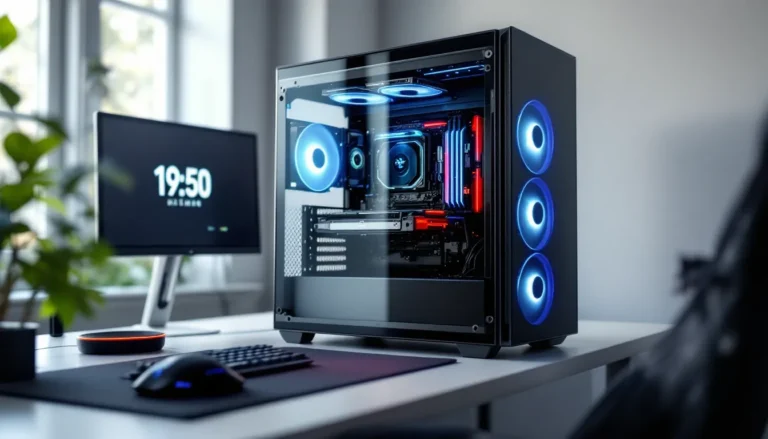
Start with your display. Competitive raiders targeting world-first clears or speedruns invest in gaming monitor reviews to find panels with 1ms response times and 240Hz+ refresh rates. For MMOs like WoW or FFXIV, a 1440p ultrawide offers peripheral vision for tracking adds. Shooters like Destiny 2 favor 1080p at 360Hz for lower input lag.
GPUs need to maintain stable framerates during visual chaos, particle effects, AoE overlays, 20+ players on screen. An RTX 4070 or RX 7800 XT handles WoW at max settings (1440p, 144fps). Destiny 2 on PS5 targets 120fps in raids, but PC players push 200+ with proper settings.
Peripherals matter more than players admit. A mouse with customizable DPI (Logitech G Pro X Superlight, Razer Viper V3) lets you snap to targets during add phases. Mechanical keyboards (Cherry MX Speed switches) reduce input delay for ability rotations. Headsets with clear directional audio (SteelSeries Arctis Nova Pro, HyperX Cloud Alpha) help you hear callouts during chaotic DPS checks.
Internet stability beats speed. A wired connection with 50ms ping outperforms 500Mbps Wi-Fi that drops packets. If your ISP can’t deliver stable routing, consider a VPN with gaming nodes (ExitLag, Mudfish) to reduce jitter.
Software and Tools to Enhance Your Raids
Addons and overlays transform raids from guesswork into data-driven execution.
For World of Warcraft:
- Deadly Boss Mods (DBM) or BigWigs: Timer bars for every mechanic. Configure audio cues so you’re never surprised.
- WeakAuras: Custom UI elements tracking cooldowns, procs, and debuff stacks.
- Details.: DPS meter with death logs. Died to fire? The log doesn’t lie.
For Final Fantasy XIV:
- ACT (Advanced Combat Tracker): DPS parsing. Cactbot plugin adds callouts and timeline triggers.
- XIVAlexander: Latency mitigation for double-weaving.
- Teamcraft: Crafting simulators for consumable prep.
For Destiny 2:
- DIM (Destiny Item Manager): Instant loadout swaps between encounters.
- Raid.Report: Track clears, compare stats, scout LFG teammates.
- Light.gg: Weapon roll comparisons and perk synergy guides.
Voice comms need proper configuration. Noise suppression (NVIDIA RTX Voice, Discord Krisp) filters keyboard clatter and background noise. Push-to-talk prevents open mics from cluttering comms during critical callouts.
Recording software (OBS, Medal) lets you review wipes. Watching your POV after a failed attempt reveals positioning mistakes and missed mechanics you didn’t catch in real-time.
Advanced Raiding Strategies and Tactics
Clearing normal mode is one thing. Pushing heroic, mythic, or contest mode requires next-level preparation and adaptability.
Pre-Raid Preparation Checklist
Successful raids start before anyone zones in. Here’s the non-negotiable prep:
- Research the encounter: Watch guide videos (FatbossTV, MTQCapture for FFXIV, Datto for Destiny 2). Know phase transitions, wipe mechanics, and positioning before pull one.
- Optimize your build: Sim your DPS using Raidbots (WoW) or optimize.gg. For Destiny 2, pair weapons with seasonal artifact mods, Season 24’s “Authorized Mods: Arc” made Thunderlord meta.
- Stock consumables: Flasks, potions, food buffs, repair kits. Bring 20% more than you think you’ll need.
- Pre-position addons: Configure timers and alerts. Test them in LFR or normal mode first.
- Review comp requirements: Does the fight need three healers or can you run four DPS? Does someone need a specific legendary or exotic?
Many technology buying guides recommend upgrading hardware before major raid tiers, but software optimization often yields bigger gains. Disable unnecessary background apps, streaming software, RGB control panels, and browser tabs eat CPU cycles during intensive encounters.
Adapting to Dynamic Raid Mechanics
2026’s raid design punishes memorization. Destiny 2’s Root of Nightmares introduced “Light and Darkness” mechanics that required real-time player swaps. WoW’s Vault of the Incarnates had Kurog Grimtotem randomizing elemental phases. Static strategies don’t work.
Adaptation starts with awareness. Assign a shot-caller to track phase changes and audible adjustments. If the boss skips a mechanic or doubles up on adds, the raid needs to pivot, maybe hold hero/bloodlust, maybe burn cooldowns early.
Flexibility in positioning helps. Don’t anchor to fixed spots. If the safe zone shifts, move as a unit. Stragglers who hesitate get clipped by avoidable damage, stressing healers and risking wipes.
Dynamic DPS priority matters. Adds spawning out of order? Swap targets. Boss entering an immunity phase early? Pool cooldowns instead of dumping them. Reactive play beats rigid scripting.
Learning From Failed Attempts
Wipes aren’t failures, they’re data. After each attempt, review what went wrong:
- Damage breakdown: Who died? To what mechanic? Was it avoidable?
- DPS checks: Did you hit enrage? If not, where’s the deficit, gear, rotations, or uptime?
- Cooldown usage: Were defensives and healing cooldowns properly staggered?
- Communication gaps: Did someone miss a callout or fail to call their own?
Record pulls and rewatch with the team. Twitch VOD reviews or OBS recordings reveal positioning errors, mistimed abilities, and missed mechanics. The best raiders treat each wipe like film study, no blame, just analysis.
Know when to call it. If the raid’s tilted after 20 pulls, mental fatigue sets in. Forcing more attempts burns goodwill and tanks morale. Come back tomorrow with fresh focus.
The Competitive Raider Gaming Scene
For some, clearing content is enough. For others, the real game is the race.
Esports Tournaments and World First Races
World-first raids are esports without the prize pools, pure prestige. WoW’s Race to World First (RWF) draws tens of thousands of Twitch viewers. Guilds like Echo, Liquid, and BDGG stream progression 16+ hours daily, with sponsors like Red Bull and Corsair backing them.
FFXIV’s Ultimate raids don’t have official races, but the community tracks first clears obsessively. Patch 7.15’s “Futures Rewritten (Ultimate)” saw its first clear 127 hours post-launch, a brutal test of execution and stamina.
Destiny 2’s Day One raid races have emblems and belts on the line. Contest mode caps player power, turning raids into true skill checks. The Final Shape’s raid saw only 7% of Day One attempts result in clears, with top teams finishing in under 6 hours.
Competitive raiding demands sacrifice, sleep deprivation, meal prep between pulls, and rotating team members to avoid burnout. It’s not casual. It’s not even healthy. But for those chasing legacy, it’s worth it.
Joining a Raiding Guild or Team
Solo players can PUG (pick-up group) raids, but progression requires a consistent team. Finding a guild or clan that matches your schedule, skill level, and goals is critical.
Look for:
- Raid schedule: Can you commit to 2-3 nights per week, 3-4 hours per session?
- Progression pace: Are they world-first hunters, cutting-edge chasers, or casual clearers?
- Loot system: DKP, loot council, or personal loot? Know before drama erupts.
- Culture fit: Is the Discord active? Do people respect callouts? Is there a “no asshole” policy?
Applications often require logs, DPS parses, previous clear history, and references. Competitive guilds trial recruits for 2-4 weeks before granting full membership. Perform poorly or ghost raids, and you’re cut.
LFG tools (in-game finders, Discord servers, Reddit’s /r/Fireteams for Destiny 2) work for one-offs, but they’re a dice roll. You might get a smooth clear. You might waste three hours with players who don’t know mechanics.
Common Raider Gaming Mistakes to Avoid
Even experienced raiders fall into traps. Here’s what kills progression and fractures teams.
Gear and Build Optimization Errors
Undergeared players slow the raid. If the encounter recommends 580 item level (WoW) or 1820 power (Destiny 2), showing up 20 points below that means you’re getting carried. Gearing is assignments, do it before raid night.
Worse than low gear? Wrong stat priorities. Stacking versatility on a class that scales with haste, or running a PvP build in PvE, wastes everyone’s time. Sim your character. Check class discords. Copy top parses if you’re unsure.
Build flexibility is underrated. Bringing only one loadout when the encounter demands swaps (single-target vs. AoE, survivability vs. DPS) forces the raid to compensate. Keep multiple gear sets and talent builds ready.
Enchants, gems, and consumables matter. Skipping these because “it’s just normal mode” sets bad habits. If you won’t optimize on easy content, you won’t when it matters.
Poor Team Dynamics and Conflict Management
Raids collapse faster from interpersonal issues than mechanical failures. Toxic players, blamers, ragers, elitists who belittle mistakes, poison morale. One asshole can disband a 20-player roster in a week.
Conflict happens. Someone screws up repeatedly. Loot gets distributed unfairly. Schedules clash. The key is addressing problems directly, not letting resentment fester. Officers or raid leaders need to mediate disputes and, if necessary, remove problem players.
Ghosting raids without notice is unforgivable. Real-life emergencies happen, but habitually no-showing wastes 19 other people’s time. If you can’t commit, step down.
Criticism needs to be constructive. “You’re trash” doesn’t help. “You’re standing in fire during phase two, position behind the pillar” does. Raiders improve through feedback, not insults.
The Future of Raider Gaming in 2026 and Beyond
Raid design is evolving faster than ever. Here’s where the genre’s headed.
Emerging Technologies Shaping Raids
AI-driven encounters are the next frontier. Destiny 2’s Adaptive Encounters in Season 24 used machine learning to alter boss behavior based on team comp and DPS output. If your squad runs three Warlocks, the boss prioritizes dispelling buffs. All Hunters? Expect mobility checks.
WoW’s in-development 12.0 expansion reportedly experiments with procedural raid wings, randomized room layouts and add spawns that change weekly. Blizzard’s testing this in beta as of March 2026, targeting a late-year release.
VR raiding remains niche but growing. Zenith: The Last City and Orbus VR offer 6-player raids with motion-controlled mechanics. The physicality, actually dodging, blocking, and aiming, adds immersion, but adoption lags due to hardware costs and motion sickness.
Cloud gaming (GeForce Now, Xbox Cloud) lets players raid on low-end PCs or tablets. Latency remains a concern, input lag during precise mechanics kills runs, but 5G infrastructure improvements in 2025-2026 are narrowing the gap.
Predicted Trends in Raid Design
Developers are pushing shorter, more intense raids. Lost Ark’s latest Legion Raid, Echidna, clears in 25-30 minutes but demands perfect execution. Compare that to WoW’s 60-90 minute multi-boss slogs. Younger audiences favor condensed, high-stakes encounters over marathon sessions.
Cross-platform raiding is now standard. Destiny 2, FFXIV (PS5/PC), and Diablo Immortal (mobile/PC) prove it works. Expect more titles to follow, breaking down platform silos.
Seasonality and rotating difficulty modifiers keep content fresh. WoW’s Mythic+ affixes, Destiny 2’s raid challenges, and FFXIV’s Unreals mean old content stays relevant. Players aren’t just farming new raids, they’re revisiting classics with fresh twists.
Accessibility options are improving. Colorblind modes, customizable telegraphs, and scalable difficulty (normal/heroic/mythic splits) let more players experience endgame without lowering skill ceilings. FFXIV’s “Story Mode” raids let casual players see content while keeping Savage tiers brutal.
Conclusion
Raider gaming in 2026 is more demanding, more rewarding, and more accessible than ever. The titles have evolved, the mechanics have deepened, and the community has matured into a competitive ecosystem where skill, preparation, and teamwork define success. Whether you’re chasing world-first glory, farming weekly lockouts with a dedicated guild, or just trying to clear content for the first time, the principles remain constant: know your role, optimize your build, communicate clearly, and learn from every pull.
The gap between casual clears and competitive dominance comes down to intentionality. Treat raiding like the endgame it is, not a side activity, but the reason you geared up in the first place. Build your setup, refine your skills, find your team, and commit to progression. The raids aren’t going to clear themselves, and the competition isn’t slowing down. Time to prove you belong.