
If you’re drawn to crumbling cathedrals, moonlit graveyards, and the kind of dread that seeps into your bones, not the cheap jump-scare variety, then gothic horror games are calling your name. This subgenre isn’t about running from monsters in sterile hallways. It’s about atmosphere thick enough to choke on, stories steeped in decay and tragedy, and environments that feel like they’re watching you back.
Gothic horror has carved out a dedicated niche in gaming, blending Victorian-era aesthetics with supernatural elements and existential dread. Whether you’re a souls-like veteran hunting for your next FromSoftware-style punishment or a narrative enthusiast seeking slow-burn storytelling, there’s never been a better time to jump into these shadowy worlds. With 2026 bringing fresh entries and remasters of classics, this guide breaks down what makes gothic horror tick, highlights must-play titles across platforms, and helps you find your next obsession in the genre’s darkest corners.
Key Takeaways
- Gothic horror games prioritize atmosphere, environmental storytelling, and existential dread over jump scares, using crumbling architecture and carefully designed lighting to create immersive worlds that reward thorough exploration.
- The genre has evolved from classic titles like Castlevania and Alone in the Dark into a modern renaissance led by masterpieces like Bloodborne and Lies of P, which combine soulslike mechanics with Victorian-era aesthetics and tragic narratives.
- Successful gothic horror games balance mechanics with mood—whether through combat-focused design like Bloodborne or vulnerability-based approaches like Amnesia—ensuring gameplay reinforces rather than breaks atmospheric immersion.
- Environmental storytelling through item descriptions, NPC fragments, and architectural design separates exceptional gothic horror titles from mediocre ones, requiring players to actively engage with worlds through exploration and patience.
- Optimizing your gothic horror experience demands intentional setup: dim lighting, quality audio through headphones, distraction-free sessions, and willingness to embrace slow-burn pacing and narrative ambiguity for maximum immersion.
- Indie developers have filled the creative gap left by dormant franchises like Castlevania, delivering innovative gothic horror experiences through various formats—from text-heavy exploration games like Sunless Seas to pixel-art Metroidvanias like Blasphemous II.
What Defines Gothic Horror in Gaming?
Gothic horror isn’t just horror with old buildings slapped on. It’s a deliberate fusion of atmosphere, architecture, and existential themes that separates it from your standard survival horror fare.
Key Elements of Gothic Atmosphere
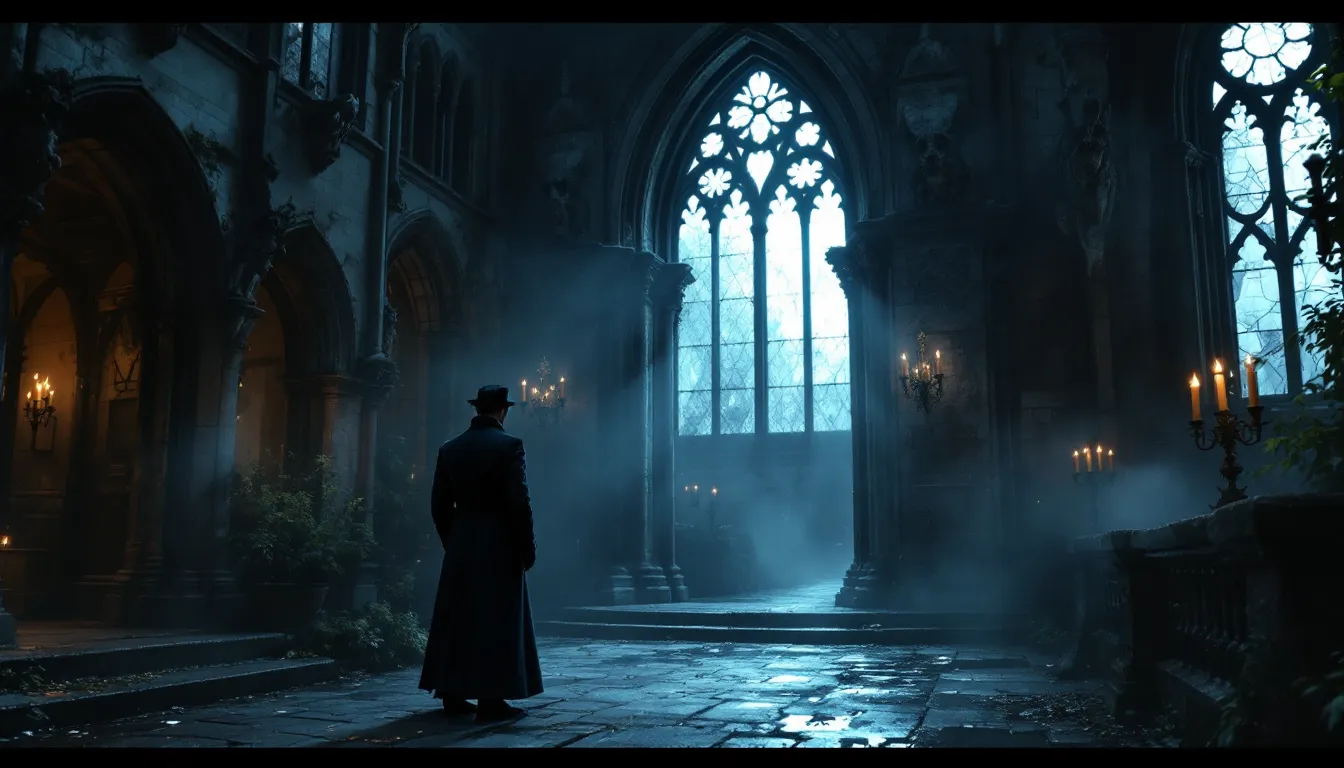
The core of gothic horror lives in its environmental storytelling. Decaying architecture dominates, think crumbling stone cathedrals, Victorian mansions with rotting wood, and graveyards where fog never lifts. These aren’t just backdrops: they’re characters with history written into every crack.
Lighting design plays a crucial role. Gothic games favor candlelight, moonlight filtering through stained glass, and shadows that move independently of their sources. The contrast between darkness and specific light sources creates pockets of safety that never quite feel safe.
Color palettes stick to desaturated tones, grays, deep purples, sickly greens, and dried-blood reds. Even when games inject color, it’s muted or unnatural. Bloodborne’s Yharnam exemplifies this with its moonlit stone streets and Victorian gas lamps casting long, unsettling shadows.
Thematic elements include isolation, forbidden knowledge, family curses, and the corruption of nobility or religion. Characters often face threats that can’t be solved by firepower alone, the horror is existential as much as physical.
How Gothic Horror Differs from Other Horror Subgenres
While survival horror like Resident Evil focuses on resource scarcity and immediate danger, gothic horror emphasizes dread over tension. The monsters aren’t just obstacles, they’re tragic figures with backstories woven into the world’s lore.
Cosmic horror (think Bloodborne’s later acts) shares gothic’s atmosphere but shifts focus to incomprehensible entities and human insignificance. Pure gothic keeps things grounded in human tragedy, curses, and moral decay, even when supernatural elements appear.
Body horror might overlap, Bloodborne again bridges both, but gothic prioritizes architectural decay and cultural rot over biological transformation. The setting tells as much of the story as the plot itself.
Compared to action horror like Dead Space, gothic games slow the pace. They reward exploration, reading environmental clues, and piecing together narratives from item descriptions. Combat exists but isn’t always the solution: sometimes vulnerability enhances the experience more than a loaded shotgun.
The Evolution of Gothic Horror Games Through the Decades
Gothic horror in games has transformed from pixel-art castles to photorealistic nightmares, but the core appeal hasn’t changed, only deepened.
Classic Foundations: Early Gothic Titles
The seeds were planted early. Castlevania (1986) brought Dracula’s castle to the NES with its Transylvanian architecture and monster roster pulled straight from classic horror literature. While action-focused, it established gothic’s visual language in gaming.
Alone in the Dark (1992) shifted toward survival horror but maintained gothic roots with its 1920s Louisiana mansion setting and Lovecraftian undertones. Its fixed camera angles and environmental puzzles became genre staples.
Legacy of Kain: Soul Reaver (1999) deserves recognition for its vampiric protagonist navigating a decayed world where entire civilizations had crumbled. The time-shifting mechanics between spectral and material realms added mechanical depth to gothic themes of death and eternity.
Modern Renaissance: The 2010s Revival
The 2010s saw gothic horror explode into mainstream gaming consciousness. Dark Souls (2011) and its sequels weren’t pure gothic, they mixed too many influences, but areas like Anor Londo and the Cathedral of the Deep nailed the aesthetic.
Then came Bloodborne (2015), FromSoftware’s love letter to Victorian gothic horror. Yharnam’s gas-lit streets, Gothic architecture, and hunt-obsessed society created the definitive modern gothic horror experience. Its shift into cosmic horror mid-game showed how flexible the genre could be.
Castlevania: Lords of Shadow (2010) and its sequel attempted a AAA reboot with mixed results, but the environmental design remained solid. Meanwhile, indie developers started experimenting, The Count Lucanor (2016) brought pixel-art gothic horror to puzzle-adventure format.
Reviews from publications like Game Informer during this era highlighted how gothic elements were being rediscovered by developers hungry for atmospheric depth.
Current Era: Gothic Horror in 2025-2026
We’re in a golden age for the genre. Lies of P (2023) proved soulslike gothic horror had commercial legs beyond FromSoftware, with its twisted Pinocchio narrative and Belle Époque setting. Its success spawned imitators, many arriving throughout 2025.
Unreal Engine 5’s lighting capabilities have elevated atmospheric potential. Ray-traced global illumination makes candlelit corridors and moonlit courtyards more convincing than ever. Games like Remnant 2’s Losomn DLC (2023-2024) showed how gothic elements could blend with other genres, in this case, looter-shooter mechanics.
RE Village’s continued popularity through its Gold Edition and additional DLC kept Capcom’s gothic aesthetic in rotation. The Shadow of the Erdtree expansion for Elden Ring (2024) included heavily gothic zones that reminded players why FromSoftware excels at this atmosphere.
Indie studios continue pushing boundaries. Games incorporating roguelite mechanics with gothic settings have proliferated, though quality varies wildly. The genre’s current challenge isn’t relevance, it’s standing out in an increasingly crowded field.
Must-Play Gothic Horror Games Across All Platforms
Platform availability matters. Here’s where to find the genre’s best depending on your setup.
PC Gothic Horror Masterpieces
PC remains gothic horror’s home platform, with the widest selection and best performance options for atmospheric details.
Bloodborne remains PS-exclusive (see console section), but PC has its own exclusives and best-versions:
- Darkest Dungeon & Darkest Dungeon II: Turn-based gothic dungeon crawling with psychological stress mechanics. DD2’s early access period ended in 2023: the 1.0 version hit its stride in 2024. PC version offers mod support that adds hundreds of custom classes and trinkets.
- Amnesia: The Dark Descent & Amnesia: Rebirth: Frictional Games’ first-person gothic horror emphasizes vulnerability. No combat, just sanity mechanics and environments designed to terrify. Rebirth (2020) is underrated compared to its predecessor.
- Pathologic 2: Not pure gothic but heavily influenced by Russian gothic tradition. This narrative survival game set in a plague-ravaged town demands everything from players. Brutally difficult, deliberately so.
- Sunless Sea & Sunless Skies: Failbetter Games’ text-heavy exploration games set in a Victorian gothic underworld. The writing quality surpasses most AAA titles.
- Lies of P: Available on PC via Steam and Game Pass. The soulslike Pinocchio adaptation runs best on PC with unlocked framerates and ray-tracing options that make Belle Époque Krat genuinely gorgeous in its decay.
PC also gets the definitive versions of multi-platform releases with better shadow detail, draw distances, and modding communities that extend replay value.
Console Gothic Experiences
PlayStation remains essential for gothic horror purists:
- Bloodborne (PS4/PS5 via backward compatibility): Still the genre king even though releasing in 2015. No remaster announced as of March 2026, but the PS5 version runs at stable 30fps with faster load times. The Old Hunters DLC is mandatory.
- Demon’s Souls Remake (PS5): Bluepoint’s 2020 remake showcases gothic architecture in stunning detail. Tower of Latria remains one of gaming’s most oppressive environments.
- Returnal (PS5): More sci-fi horror than gothic, but the Abyssal Scar biome introduced in Ascension update leans heavily into gothic imagery with its underwater ruins and eldritch architecture.
Xbox offers fewer exclusives but strong multi-platform access:
- Lies of P runs excellently via Game Pass
- Remnant 2 with all DLC including gothic-heavy Losomn regions
- Backward compatibility for Castlevania: Lords of Shadow series
Analysis from Polygon has noted the platform gap, with PlayStation maintaining its gothic horror advantage through legacy exclusives.
Nintendo Switch trails in raw gothic horror offerings due to hardware limitations, but notable entries exist:
- Blasphemous & Blasphemous II: Spanish-developed Metroidvanias dripping with Catholic gothic imagery. Pixel art style works within Switch’s capabilities.
- Hollow Knight: More melancholic than horrific, but Deepnest area and general atmosphere qualify. Runs perfectly on Switch.
- Cult of the Lamb: Lighter gothic aesthetic mixed with cult-management mechanics. Switch version has minor performance hiccups in crowded areas.
Mobile Gothic Horror Games Worth Your Time
Mobile gothic horror is a minefield of low-effort ports and asset flips, but gems exist:
The Room series (iOS/Android) delivers tactile puzzle-solving in gothic environments. The fourth entry, The Room: Old Sins (2018), remains the series peak with its dollhouse investigation mechanics.
Castlevania: Symphony of the Night received a mobile port that’s surprisingly competent. Touch controls take adjustment, but the game’s design holds up.
Dead Cells (iOS/Android): More action-roguelite than pure gothic, but its castle setting and dark fantasy aesthetic fit. Mobile version includes all PC content with controller support strongly recommended.
Vampire Survivors runs on mobile and scratches the gothic itch during short sessions, though its retro aesthetic is more campy than atmospheric.
Avoid mobile “exclusives” claiming gothic horror credentials, they’re usually gacha games wearing genre aesthetics as camouflage.
Common Themes and Settings in Gothic Horror Gaming
Certain motifs appear repeatedly in gothic horror games because they work. Understanding these helps identify quality titles and appreciate how developers reinterpret classics.
Haunted Mansions and Abandoned Castles
The gothic setting starts with architecture. Castles represent corrupted nobility, once symbols of power, now monuments to pride’s consequences. Bloodborne’s Cainhurst Castle exemplifies this: a frozen monument to vampiric aristocracy, isolated and forgotten.
Mansions work differently. They’re personal hells, family secrets made physical. Resident Evil Village’s House Beneviento isn’t just scary, it’s a psychological attack through domestic horror in a Victorian dollmaker’s estate. The mansion setting makes horror intimate.
These locations work mechanically because their architecture supports exploration. Interconnected rooms, secret passages, and vertical design create navigation puzzles. Souls games perfected this, Dark Souls’ Anor Londo and Elden Ring’s Stormveil Castle feel like real places with architectural logic, even when twisted by supernatural forces.
Abandonment matters as much as architecture. Gothic games rarely feature thriving communities: you’re exploring aftermath. The emptiness asks questions: What happened here? Why did they leave? Sometimes answers come through item descriptions and environmental clues. Sometimes the silence is the answer.
Victorian Era and Period Settings
Victorian and Belle Époque periods dominate gothic gaming because they sit at history’s inflection point, industrialization clashing with tradition, science challenging religion, old monsters meeting new technology.
Bloodborne weaponizes this: trick weapons combine medieval craftsmanship with industrial-age engineering. The setting’s transition from gothic horror to cosmic horror mirrors Victorian society’s shift from religious worldviews to scientific materialism.
Lies of P places its Pinocchio narrative in Belle Époque France, using the era’s technological optimism to contrast with its puppet-body horror. The game’s automaton enemies represent industrialization’s dehumanizing effects, a classic gothic theme.
Period-appropriate fashion and architecture ground these fantasies. Gas lamps, cobblestones, Victorian dress codes, and horse-drawn carriages create familiarity before introducing supernatural elements. The contrast makes monsters more unsettling, werewolves in top hats, vampires at society balls.
Religious Symbolism and Supernatural Elements
Gothic horror has complex relationships with religion. Churches appear as both sanctuaries and corruption sites. Bloodborne’s Healing Church caused Yharnam’s nightmare through religious zealotry. Dark Souls depicts gods as failures, their churches monuments to false promises.
Cathedral architecture serves dual purposes: visual spectacle and thematic weight. Flying buttresses, stained glass, and vaulted ceilings create awe, while their decay suggests abandoned faith. Dark Souls III’s Cathedral of the Deep perfectly executes this, a beautiful cathedral literally sinking into filth, its clergy transformed into bloated monsters.
Supernatural elements in gothic games lean toward the tragic rather than simply monstrous. Vampires, werewolves, and ghosts carry curses, they’re victims and threats simultaneously. Castlevania built an entire franchise on this duality, with Dracula himself portrayed as sympathetic in recent iterations.
Commentary from The Escapist has explored how religious imagery in gothic games reflects developers’ cultural contexts, with Japanese studios like FromSoftware approaching Christianity as exotic mythology while Western developers often engage more critically with religious institutions.
Gameplay Mechanics That Enhance Gothic Horror
Atmosphere alone doesn’t make a gothic horror game work. Mechanics must reinforce the mood without becoming tedious.
Exploration and Environmental Storytelling
Environmental storytelling separates great gothic games from mediocre ones. FromSoftware mastered this, reading item descriptions reveals narrative layers that explicit dialogue would ruin.
Bloodborne’s approach teaches through exploration. Blood vial placement tells you enemies are ahead. Item descriptions reference events you’ll witness later, creating a-ha moments on second playthroughs. The entire plot lives in environmental clues, NPC fragments, and item text.
Metroidvania design philosophy fits gothic horror naturally. Interconnected worlds reward thorough exploration and backtracking. Blasphemous uses this structure to pace its Spanish Catholic gothic narrative, with each new area revealing another layer of religious horror.
Optional content matters. Secret areas, hidden bosses, and alternate endings give gothic worlds depth. Players who explore thoroughly discover richer narratives than those who rush main paths. This respects player investment, gothic horror rewards those who immerse themselves.
Atmospheric Sound Design and Music
Sound design makes or breaks gothic atmosphere. Bloodborne’s soundtrack by Yuka Kitamura and Ryan Amon uses orchestral pieces sparingly, most exploration happens in near-silence, making boss music’s intensity more impactful.
Environmental audio tells stories: distant bells, wind through broken windows, chains rattling, whispers in empty halls. These sounds build dread during quiet moments. Many gothic games front-load silence so specific audio cues carry weight.
Lies of P uses music box melodies and puppet-workshop sounds to create uncanny valley discomfort. The puppets’ jerky mechanical sounds contrast with human cries, emphasizing the body horror elements.
Dynamic audio systems adjust to player state. Entering boss arenas triggers music shifts. Low health might add heartbeat sounds or audio distortion. These mechanics keep players in the experience rather than watching from outside.
Voice acting quality varies wildly. Stilted, theatrical delivery can enhance gothic atmosphere, think early Castlevania games, or ruin immersion. Modern titles generally favor subtle, naturalistic performances that let environmental audio dominate.
Combat vs. Vulnerability: Finding the Balance
Gothic horror games split between combat-focused and vulnerability-focused design, each supporting different atmospheric goals.
Combat-heavy games like Bloodborne and Lies of P use soulslike mechanics. Stamina management, dodge timing, and pattern recognition create tension through difficulty. You’re capable but never safe. This approach requires mechanical skill but maintains player agency, you control your survival.
These games balance power fantasy against mortality. Early game struggles give way to mastery, but new areas reset the fear. The difficulty itself becomes gothic, you’re trapped in cycles of death and rebirth, growing stronger but never escaping the nightmare.
Vulnerability-focused games like Amnesia remove combat entirely. Hiding, running, and resource management replace direct confrontation. This amplifies helplessness, you survive through avoidance, not victory. The gothic atmosphere intensifies when you can’t fight back.
Middle-ground approaches exist. Resident Evil Village gives players weapons but limits ammunition, creating constant tension between fighting and fleeing. Remothered: Tormented Fathers uses stealth mechanics with limited defensive options.
The best choice depends on thematic goals. Games about hunters or warriors (Bloodborne, Castlevania) justify combat competence. Games about ordinary people in supernatural situations (Amnesia, Layers of Fear) make vulnerability narratively appropriate. Mismatched mechanics and themes create dissonance that breaks immersion.
Top Gothic Horror Game Franchises to Follow
Certain franchises define gothic horror gaming. Following these ensures you won’t miss major releases.
Bloodborne and Souls-Inspired Gothic Adventures
Bloodborne remains the touchstone even though no sequel announcement. FromSoftware’s focus shifted to Elden Ring, but that game’s gothic elements, particularly in legacy dungeons and certain regions, show the studio hasn’t abandoned the aesthetic.
The “soulslike” genre spawned countless imitators, but few nail gothic atmosphere:
- Lies of P (Round8 Studio/Neowiz): The best Bloodborne heir so far. Combat feels tighter than most soulslikes, and the puppet-body horror adds unique flavor. DLC was confirmed in late 2025 for 2026 release.
- Salt and Sanctuary / Salt and Sacrifice: 2D soulslikes with strong gothic elements. Less horror-focused than Bloodborne but atmospherically rich.
- Lords of the Fallen (2023 reboot): Hit-or-miss reviews, but the dual-realm mechanic (living/dead worlds) supports gothic themes about mortality and decay. Performance issues plagued launch: patches through 2024-2025 improved stability.
Watch for Bleak Faith: Forsaken’s continued updates. The 2023 launch was rough, but the gothic sci-fi setting shows promise if developers can polish the execution.
Castlevania’s Legacy in Modern Gaming
The Castlevania franchise itself is dormant beyond its Netflix universe presence. Castlevania: Grimoire of Souls (mobile) exists but disappointed fans. No mainline entry has appeared since Lords of Shadow 2 (2014).
But, Castlevania’s DNA spreads through spiritual successors:
- Bloodstained: Ritual of the Night: Koji Igarashi’s spiritual successor delivered in 2019 and received continuous updates through 2024. Classic gothic Metroidvania with modern quality-of-life features.
- Blasphemous series: Spanish developer The Game Kitchen’s pixel-art Metroidvanias lean into Catholic gothic imagery harder than Castlevania ever did. Blasphemous II (2023) expanded on the original’s oppressive atmosphere with more varied environments.
- Record of Lodoss War: Deedlit in Wonder Labyrinth: Anime aesthetic but Castlevania-style gameplay. Lighter tone but solid mechanics.
Dead Cells borrows Castlevania’s gothic castle setting while adding roguelite structure. Not narratively focused, but the atmosphere persists across runs.
Konami’s neglect of Castlevania created a market gap that indie developers enthusiastically filled. Unless Konami reverses course, unlikely given their focus on remasters and pachinko, the franchise’s influence will continue through homages rather than official entries.
Indie Darlings Redefining the Genre
Indie studios drive gothic horror innovation while AAA publishers chase broader audiences:
Darkest Dungeon II evolved from turn-based dungeon crawler to road-trip roguelite. The shift divided fans but demonstrated how gothic themes adapt to different structures. Developer Red Hook Studios continues supporting both games.
Sunless Seas / Sunless Skies (Failbetter Games) prove gothic horror works in text-heavy formats. These exploration-narrative games prioritize writing over graphics, creating atmosphere through prose. Mask of the Rose (2023), their visual novel entry, shows continued franchise expansion.
The Count Lucanor, Fran Bow, Little Misfortune: Pixel-art gothic horror leans into童话 (fairy tale) corruption. These games aren’t mechanically complex but deliver atmospheric storytelling efficiently.
Mouthwashing (2024): Recent indie darling mixing gothic themes with sci-fi horror. Short runtime (2-3 hours) but unforgettable environmental storytelling.
Signalis (2022): Retro-styled survival horror with gothic sci-fi aesthetics. Continued word-of-mouth through 2025 grew its cult following.
Indie gothic horror releases constantly. Quality varies wildly, but the lower price points encourage experimentation. Steam’s user review system helps separate gems from asset flips.
Tips for Getting the Most Out of Gothic Horror Games
Gothic horror rewards specific approaches. Optimizing your experience enhances what these games offer.
Creating the Perfect Gaming Environment
Physical setup matters more for gothic horror than most genres. These games depend on immersion, and external factors break that easily.
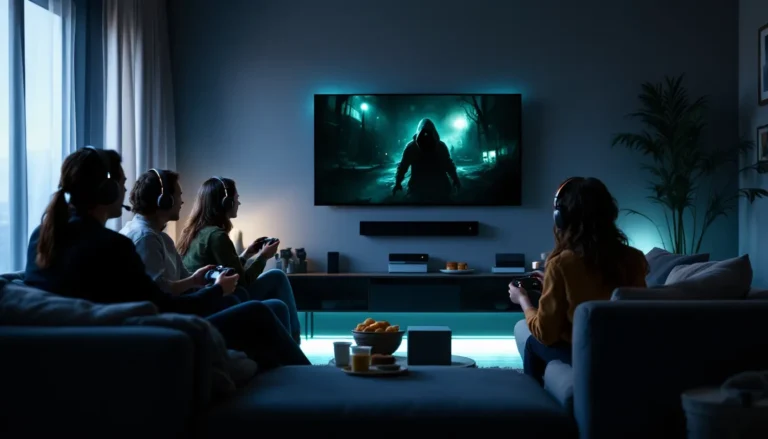
Lighting: Play in darkness or dim lighting. Screen glow should be your primary light source. This sounds obvious but makes enormous difference, gothic games design lighting to guide and frighten, effects that wash out in bright rooms.
Audio: Headphones beat speakers for spatial audio and environmental details. Many gothic games use binaural audio or carefully mixed surround sound. Bloodborne’s whispers and distant bells lose impact through TV speakers. If using speakers, invest in a decent soundbar minimum.
Display settings: Calibrate brightness properly. Gothic games often include calibration screens, use them. Too bright and you’ll miss atmospheric shadows: too dark and you’ll strain to see gameplay-critical elements. OLED screens excel at gothic horror’s contrast between darkness and light sources.
Distraction elimination: Close Discord, silence phones, eliminate interruptions. Gothic horror’s slow-burn pacing breaks easily. These aren’t games for background Netflix or podcast accompaniment.
Session length: Plan longer sessions (2+ hours) when possible. Gothic games take time to establish atmosphere. Short sessions prevent proper immersion, especially for narrative-heavy titles.
Embracing the Slow-Burn Narrative Pace
Gothic horror games move deliberately. Fighting this ruins the experience.
Read item descriptions. FromSoftware games especially hide narrative in these. Rushing past them means missing the story entirely. Same applies to Sunless Seas, Darkest Dungeon, and other text-heavy gothic titles.
Explore thoroughly. Optional areas often contain the best atmospheric content. Main paths hit story beats, but side areas develop the world. Bloodborne’s optional Cainhurst Castle and Upper Cathedral Ward provide crucial lore and unforgettable environments.
Don’t rush boss fights. These are often narrative climaxes, not just mechanical challenges. Take time to observe boss arenas, listen to music, watch attack animations. Gothic games put thought into these moments, absorb them.
Accept ambiguity. Gothic horror rarely explains everything. Bloodborne leaves massive lore gaps deliberately. Speculation and interpretation are features, not bugs. Community discussions and lore videos extend the experience beyond gameplay.
Let defeats teach you. Soulslike gothic games use death as narrative element, you’re supposed to die repeatedly. Each death reveals new information: enemy patterns, environmental shortcuts, narrative details. Frustration is natural but temporary: mastery feels earned.
Recommended Settings for Maximum Immersion
Technical settings significantly impact atmosphere:
Graphics priority: Favor resolution and effects over framerate in cinematic gothic games. Bloodborne’s 30fps cap suits its pacing: unlocked framerates can make animations feel less deliberate. Exception: competitive multiplayer components benefit from higher framerates.
Motion blur: Typically disabled in fast games but can enhance gothic atmosphere. Test both ways, slight motion blur can make animations more cinematic.
Film grain / chromatic aberration: Stylistic choices that divide players. These post-processing effects enhance period aesthetics but some find them distracting. Try default settings first, then adjust to preference.
HUD minimization: Many gothic games offer HUD customization. Reduce or hide elements when possible. Elden Ring and Lies of P allow significant HUD reduction, increasing immersion during exploration.
Subtitles: Controversial take, consider disabling if audio mixing is solid. Forces attention to voice acting and environmental audio. Accessibility always comes first, but if you don’t need subtitles, experimenting without them can enhance atmospheric focus.
Audio balance: If games offer separate volume sliders for music, effects, and dialogue, adjust to preference. Some players prefer louder environmental audio: others want music more prominent. Gothic games generally mix conservatively, so small adjustments make differences.
Controller vibration: Keep enabled. Tactile feedback adds immersion, feeling attacks land, environment rumbles during boss fights, subtle vibrations during tense moments. Often overlooked but valuable for presence.
Upcoming Gothic Horror Releases to Watch in 2026
Several promising gothic horror titles are slated for 2026 releases, though dates may shift as always.
Lies of P DLC is confirmed for Q2 2026 by Neowiz. Details remain scarce, but expect similar length to Bloodborne’s The Old Hunters expansion, roughly 8-10 hours with new areas, bosses, and weapons. The base game’s success makes this one of the year’s most anticipated releases.
Bloodborne Remaster / PC Port rumors intensify quarterly but remain unconfirmed by Sony or FromSoftware as of March 2026. Take any “leaks” with massive skepticism until official announcements. The community’s been burned by false hope repeatedly.
Vigil: The Longest Night developer is reportedly working on a sequel after the 2020 original’s cult success. No official announcement, but industry chatter suggests a 2026 reveal. The first game delivered solid 2D soulslike mechanics in a gothic salt-and-light setting.
Hollow Knight: Silksong remains in development with no concrete release date. While more melancholic than horrific, its gothic elements and anticipated quality make it worth watching. Team Cherry’s silence continues, any 2026 release would be optimistic.
Project Mara from Ninja Theory focuses on mental horror in a single location. Not traditional gothic, but the psychological horror approach and confined setting share DNA with the genre. Still likely 2027+ based on development updates.
Indie projects to track:
- Abyss of Neptune: Underwater gothic horror with Lovecraftian themes. Demo released late 2025 showed promise. Targeting late 2026.
- The Last Faith: Metroidvania soulslike that launched in 2023 is receiving a major DLC expansion in mid-2026. The base game’s gothic atmosphere rivals Blasphemous.
- Children of Silentown: Gothic horror adventure about a village where children disappear. Released 2023 but major content update scheduled for spring 2026.
Vampire: The Masquerade – Bloodlines 2 continues its troubled development. Originally slated for 2021, then delayed repeatedly with developer changes, it’s currently targeting late 2026. Skepticism is warranted given the project’s history, but the World of Darkness setting offers strong gothic potential if execution lands.
Resident Evil 9 is rumored for late 2026 or early 2027. If Capcom continues the gothic aesthetic from Village, this could be significant. Pure speculation at this point, no official confirmation exists.
Watch Steam’s upcoming releases and gaming showcases (Summer Game Fest, The Game Awards, gamescom) for surprise announcements. Gothic horror indies often appear with minimal marketing lead time, releasing weeks or months after initial reveals.
Conclusion
Gothic horror gaming in 2026 offers depth and variety that would’ve seemed impossible two decades ago. From Bloodborne’s masterful Yharnam to pixel-art indie experiments, the genre continues evolving while respecting its literary and architectural roots.
The best gothic horror games understand that atmosphere isn’t decoration, it’s structure. Every crumbling stone, distant bell, and shadow falling across cobblestones serves the experience. Whether you’re drawn to soulslike challenge, narrative-driven vulnerability, or Metroidvania exploration, there’s a corner of this dark genre waiting for you.
Start with the platforms you own, prioritize the settings and themes that appeal most, and give these games the time and environment they deserve. Gothic horror rewards patience, attention, and willingness to sit in discomfort. That’s where the genre lives, in the spaces between safety and terror, beauty and decay, the known and the unknowable.
Now dim the lights, put on those headphones, and step into the fog. Yharnam, Krat, and countless other cursed places are waiting.