
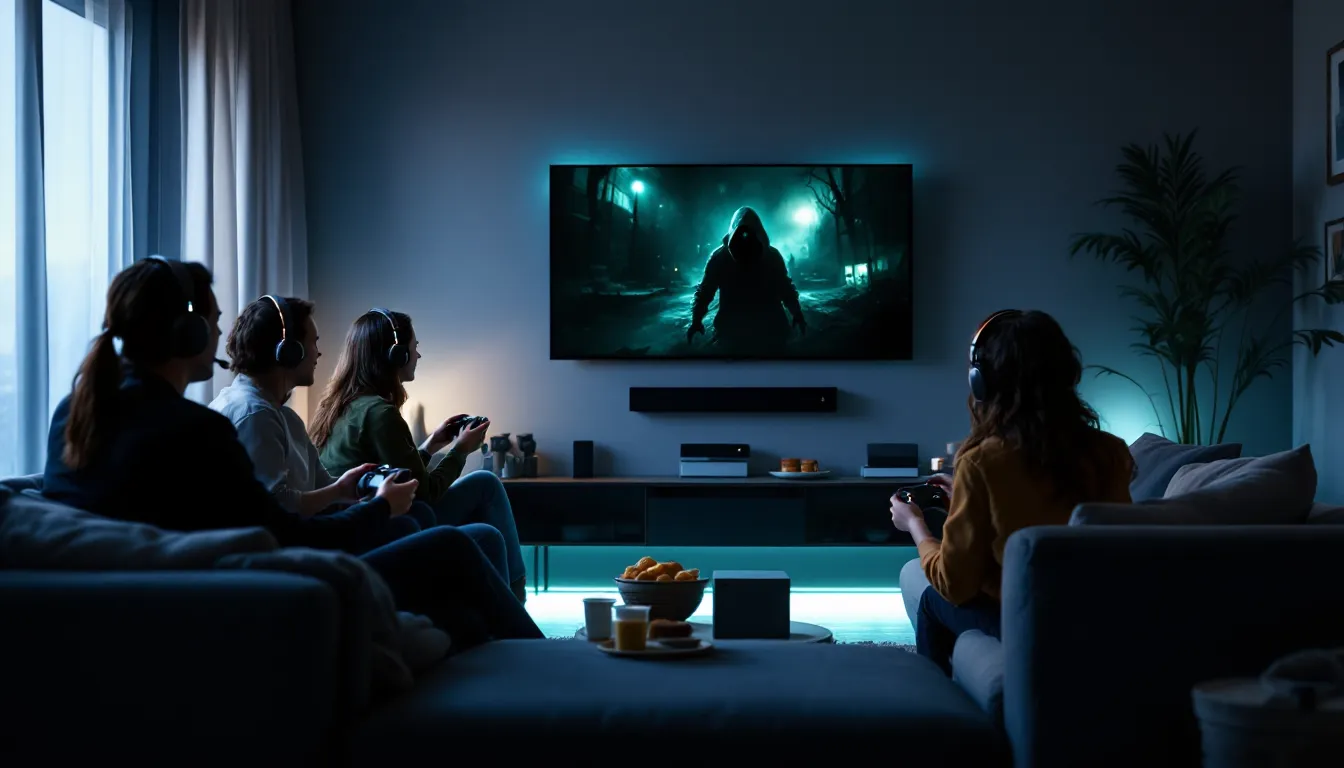
There’s something uniquely terrifying about navigating a dark corridor while your buddy screams through the headset, “Did you see that thing behind you?.” Multiplayer horror games transform solo scares into shared nightmares, creating moments that become legendary gaming stories. For Xbox players in 2026, Game Pass has evolved into an absolute goldmine for horror fans who prefer their terror with a side of cooperative chaos.
The subscription service has quietly become the go-to platform for horror enthusiasts, offering everything from tense asymmetrical showdowns to party-friendly ghost hunts. Whether players are looking to coordinate tactical survival runs or just want to laugh nervously with friends while paranormal entities hunt them down, Game Pass delivers an impressive lineup without the need to drop $30-$60 per title. This guide breaks down everything Xbox Game Pass subscribers need to know about diving into multiplayer horror, from standout titles currently available to setup tips that maximize the screams.
Key Takeaways
- Xbox Game Pass offers exceptional value for multiplayer horror fans, providing access to dozens of horror titles for $16.99 monthly instead of paying $20-$60 per individual game.
- Top multiplayer horror games available on Game Pass include Back 4 Blood for co-op survival, Dead by Daylight for asymmetrical 1v4 gameplay, and Midnight Ghost Hunt for 4v4 ghost-hunting chaos.
- Choose multiplayer horror games based on your group’s size, communication style, and horror tolerance—smaller teams should focus on duos or asymmetrical titles, while larger groups thrive on 4-8 player co-op experiences.
- Proper setup is essential for multiplayer horror enjoyment: use Discord for superior voice chat, configure controller sensitivity lower than shooters, and optimize audio with spatial headphones to maximize immersion.
- Underrated hidden gems like In Silence, Visage, and World War Z: Aftermath deserve exploration, while upcoming 2026 releases like Phasmophobia’s console port and The Outlast Trials will expand Game Pass’s horror catalog further.
Why Xbox Game Pass Is the Best Value for Horror Fans
Xbox Game Pass has fundamentally changed how gamers approach their libraries, and horror fans benefit more than most. The subscription model eliminates the biggest barrier to trying new horror games: financial risk. Horror titles can be wildly divisive, what terrifies one player might bore another, so the ability to sample a dozen different games for one monthly fee is massive.
The service rotates in both AAA horror releases and indie experiments regularly. Day-one launches have included major horror adjacent titles, while the catalog maintains a steady stream of cooperative and competitive horror experiences. Microsoft’s acquisition strategy has also meant more horror games hitting the service immediately, giving subscribers instant access to titles that would otherwise require individual purchases.
Cross-platform play support has expanded dramatically across Game Pass titles in 2026. Many multiplayer horror games now support PC-Xbox crossplay, effectively multiplying the available player pool and reducing matchmaking wait times. This interoperability means Xbox console players aren’t siloed, they can team up with friends on PC Game Pass, ensuring lobby populations stay healthy even for niche titles.
The financial math is straightforward. A single multiplayer horror game typically costs $20-$40. Game Pass Ultimate runs $16.99 monthly (as of early 2026), granting access to dozens of horror options plus the entire Game Pass catalog. For horror fans who burn through games quickly or enjoy variety, the value proposition is unbeatable. Even casual players who stick to one or two titles monthly still come out ahead compared to individual purchases.
Top Multiplayer Horror Games Available on Game Pass Right Now
Co-Op Survival Horror Experiences
Back 4 Blood remains a staple for coordinated teams. Turtle Rock Studios’ spiritual successor to Left 4 Dead delivers 4-player co-op zombie slaying with the card-based deck system adding strategic depth. The game received significant balance updates through 2025, and the difficulty modifiers in No Hope mode provide serious challenge for veteran squads. Cross-platform parties work seamlessly between Xbox and PC.
The Texas Chain Saw Massacre offers both sides of the horror equation. While primarily known for its asymmetrical mode, the game includes cooperative escape scenarios where three survivors must work together against AI-controlled family members. Gun Interactive has maintained steady content drops, with the March 2026 update adding new map variations and tweaked stealth mechanics.
A Way Out might not be pure horror, but its prison break narrative contains genuinely tense sequences that edge into thriller territory. The mandatory co-op design (split-screen or online) creates memorable moments, and since it’s part of EA Play (included with Game Pass Ultimate), it costs nothing extra to experience with a friend.
Phasmophobia-style ghost hunting has arrived on Game Pass through several titles. Midnight Ghost Hunt flips the script, ghosts hide as objects during the hunt phase, then become aggressive after midnight. The 4v4 structure creates hilarious chaos as props suddenly attack ghost hunters. Reports from recent coverage on multiplayer mechanics highlight how the late 2025 updates smoothed out server stability issues.
Asymmetrical Horror Games: Hunter vs. Hunted
Asymmetrical horror thrives on Game Pass, offering that delicious tension of predator versus prey dynamics.
Dead by Daylight continues dominating this space. Behaviour Interactive’s 1v4 monster-versus-survivors formula has been refined over years of updates, and the Game Pass version stays current with all major patches. The February 2026 mid-chapter update rebalanced several killer perks and introduced map reworks for Haddonfield. The learning curve is steep, but the variety of licensed killers and survivors keeps matches fresh.
Evil Dead: The Game brings Saber Interactive’s take on asymmetrical horror. One player controls a Kandarian Demon while four survivors attempt objectives across iconic Evil Dead locations. The game heavily rewards team coordination, survivors who split up rarely last long. Recent balance patches have toned down some of the early demon rushes that frustrated new players.
Friday the 13th: The Game periodically rotates into Game Pass. When available, it offers classic 1v7 slasher gameplay where one Jason Voorhees hunts camp counselors. The game no longer receives content updates due to licensing disputes, but the core mechanics still deliver tense cat-and-mouse gameplay for fans of the franchise.
Party Horror Games for Casual Scares
Not every horror session needs maximum intensity. These titles offer scares with lower commitment and accessibility for mixed-skill groups.
Devour supports up to 4 players attempting to stop demonic possessions through various scenarios. The indie title punches above its weight with solid atmosphere and legitimate jump scares. Difficulty scales with team size, so duos face a tougher challenge than full squads. Voice chat coordination becomes critical on higher difficulty settings as cue recognition determines survival.
Forewarned drops teams into procedurally generated Egyptian tombs to recover artifacts while avoiding undead mejai guardians. The roguelike structure means each run feels different, and the lower price point makes it perfect for groups wanting something fresh without massive time investment.
Pacify offers multiple game modes across different locations. Whether investigating haunted houses or exorcising possessed dolls, the game balances accessibility with genuine scares. The simpler mechanics make it ideal for introducing horror-averse friends to the genre without overwhelming systems or punishing difficulty.
How to Choose the Right Horror Game for Your Group
Consider Your Team Size and Communication Style
Team composition fundamentally shapes which horror games will click. Four-player co-op titles like Back 4 Blood demand consistent communication and role coordination. These games reward squads who play together regularly and develop strategies. Random matchmaking works, but the experience quality varies wildly based on teammate cooperation.
Duos have different options entirely. Many asymmetrical games struggle with only two survivors, the balance typically assumes larger teams. Instead, look for titles specifically designed around 2-player experiences or games where stealth and evasion matter more than direct confrontation. The Texas Chain Saw Massacre’s family side works well for duo survivors willing to coordinate escapes carefully.
Larger groups (6-8 players) need games built for that scale. Midnight Ghost Hunt’s 4v4 structure fills this perfectly, as does setting up private Dead by Daylight lobbies for kill-your-friends mode. These games shine when everyone’s in a Discord call, sharing reactions and trash talk in real time.
Communication style matters as much as headcount. Some groups thrive on tactical callouts and structured coordination. Others prefer chaotic energy with everyone screaming over each other. Match the game’s required communication level to your group’s natural dynamic. Forcing tactical precision on a casual friend group kills the fun, while hyper-competitive players get frustrated with games that don’t reward skilled coordination.
Match Difficulty and Intensity to Your Crew
Horror tolerance varies massively between players. What one person finds thrilling, another finds genuinely distressing. Before committing to a multi-hour session, gauge your group’s actual comfort level with horror elements.
Jump scare frequency is a major factor. Games like Phasmophobia and Devour pack frequent sudden scares that can overwhelm players sensitive to that stimuli. Meanwhile, titles like Back 4 Blood lean more toward action-horror with predictable zombie hordes and fewer gotcha moments. Understanding this distinction prevents half your squad from noping out after fifteen minutes.
Difficulty scaling separates good sessions from frustrating slogs. Many modern horror games include difficulty modifiers or accessibility options. Dead by Daylight’s skill-based matchmaking attempts to pair players appropriately, though smurfing remains an issue. Co-op games generally offer selectable difficulty, don’t automatically jump to the hardest setting. Medium difficulty often provides the sweet spot where challenge exists without constant failure.
Time commitment varies dramatically. Asymmetrical matches usually run 10-20 minutes, perfect for quick sessions. Story-driven co-op experiences might demand multiple hours to complete campaigns or unlock meaningful progression. Analysis from gaming coverage at major review outlets consistently shows that matching session length to group availability improves completion rates and overall satisfaction.
Age ratings and content warnings deserve attention. Some Game Pass horror titles include graphic violence, disturbing imagery, or mature themes. If younger players or sensitive individuals join your group, preview content beforehand. Most games now include detailed content warnings beyond simple ESRB ratings.
Essential Tips for Playing Multiplayer Horror on Xbox
Voice Chat and Communication Strategies
Voice communication transforms multiplayer horror from good to great, but setup matters. Xbox Game Bar’s native party chat works fine for casual sessions, but serious squads should consider Discord on a nearby device. Discord offers superior audio quality, easier drop-in/drop-out functionality, and better noise suppression, critical when ambient sounds in horror games layer with voice comms.
Push-to-talk versus open mic creates different dynamics. Open mic allows hands-free communication but picks up background noise, controller clicks, and heavy breathing (which gets old fast during tense moments). Push-to-talk keeps comms cleaner but requires dedicating a button, which can be awkward during intensive gameplay. Most groups eventually settle on open mic with good noise gates configured.
Establish basic callout protocols before starting. Even casual groups benefit from simple conventions: location names, threat identification standards, and resource sharing etiquette. This doesn’t mean military-style comms, just enough structure that “behind you.” includes which player and which direction.
Manage crosstalk in larger lobbies. When six or more players share a channel, simultaneous conversations create confusion. Designate someone to make final calls during critical moments, or use Discord’s priority speaker feature to ensure important information cuts through the chaos.
Optimizing Your Controller Settings for Horror Games
Default controller settings rarely suit horror game mechanics. Sensitivity adjustments make a massive difference, horror games often feature slower, more deliberate movement than shooters. Lowering look sensitivity by 10-20% from your typical FPS settings improves precision when tracking movement in dark environments.
Button remapping solves common horror game frustrations. Many titles put crucial actions (sprint, interact, flashlight toggle) on awkward face buttons. Xbox’s system-level button remapping lets players customize controls per game. Moving flashlight toggle to a bumper or paddle (if using an Elite controller) prevents fumbling during chases.
Vibration settings impact both immersion and battery life. Strong controller vibration enhances jump scares and environmental feedback, but burns through battery charge faster. Consider keeping a backup controller on a charge station during marathon sessions. Some players disable vibration entirely for competitive asymmetrical games, prioritizing visual/audio cues over haptic feedback.
Deadzone adjustments help with older controllers experiencing stick drift. Horror games demand precise aiming for flashlights and weapons, so even slight drift becomes noticeable. Xbox Accessories app allows deadzone customization, compensating for worn controllers without requiring immediate replacement.
Hidden Gems and Underrated Titles You Shouldn’t Miss
Game Pass’s horror catalog includes overlooked titles that deserve more attention. These games might lack the marketing budgets of AAA releases, but deliver solid experiences for horror fans willing to dig deeper.
Visage originally launched to cult acclaim but flies under many players’ radars. This psychological horror game supports cooperative play through its investigation mechanics, though it’s designed primarily for solo experiences with shared decision-making. The P.T.-inspired structure and oppressive atmosphere make it worth trying for players who appreciate slow-burn dread over constant action.
The Mortuary Assistant blends simulation mechanics with supernatural horror. Players perform actual embalming procedures while demonic forces interfere. The game includes multiple endings based on investigative choices, encouraging replays. While primarily single-player, streaming or shared screen sessions with friends create engaging group experiences as everyone debates which clues matter.
Maid of Sker delivers Welsh folklore horror with unique stealth mechanics built around sound. The game emphasizes holding your breath to avoid blind enemies who hunt via noise. Co-op wasn’t initially included but later updates added cooperative modes. The atmospheric setting and cultural specificity distinguish it from generic haunted house games.
In Silence remains criminally underplayed even though solid asymmetrical mechanics. One player controls a blind monster (Rake) hunting survivors who must complete objectives while managing noise levels. The monster’s echolocation creates tense moments where staying still determines survival. Server populations can be sparse, but private lobbies with friends deliver excellent sessions.
World War Z: Aftermath gets overlooked in Back 4 Blood’s shadow, but offers distinct advantages. The swarm engine creates massive zombie hordes that feel genuinely overwhelming, and the third-person perspective provides better situational awareness. Six classes with unique abilities add replay value, and the episodic structure makes it easy to drop in for quick sessions.
Upcoming Multiplayer Horror Games Coming to Game Pass
Several confirmed and likely additions will expand Game Pass’s horror lineup throughout 2026. While Microsoft rarely announces Game Pass additions far in advance, industry patterns and existing partnerships hint at probable inclusions.
The Outlast Trials remains conspicuously absent from Game Pass even though strong performance on other platforms. The 4-player co-op experience from Red Barrels has received consistent post-launch support through 2025, and previous Outlast titles appeared on the service. Industry watchers expect it to arrive by mid-2026, though nothing’s officially confirmed.
Phasmophobia console ports were announced for late 2026. The ghost-hunting phenomenon dominated PC streaming throughout 2024-2025, and the Xbox version will likely hit Game Pass given the service’s indie-friendly approach. The game’s simple mechanics but deep ghost behavior systems should translate well to controller input with proper UI adaptation.
Sons of the Forest received console port confirmations for summer 2026. While the first game (The Forest) never hit Game Pass, the sequel’s multiplayer focus and survival-crafting mechanics align well with Game Pass’s catalog strategy. The 8-player co-op survival against cannibalistic mutants offers significant content for subscriber retention.
Microsoft’s own publishing arm continues developing horror content. While specifics remain under wraps, industry reporting from dedicated Xbox outlets suggests at least two unannounced horror projects from Xbox Game Studios partners targeting late 2026 or early 2027 releases with day-one Game Pass availability.
Killing Floor 3 was confirmed for 2026 with cross-platform support. Tripwire Interactive’s co-op monster shooter leans more action-horror than pure scares, but the series’ wave-based survival and grotesque Zed enemies maintain horror aesthetics. Previous franchise entries performed well on Game Pass, making inclusion likely though unconfirmed.
Day-one launches for third-party horror games have become common. Titles like Still Wakes the Deep and Lies of P hit the service immediately upon release in 2024-2025. Expect this trend to continue as Game Pass’s subscriber base makes day-one deals increasingly attractive to horror game publishers seeking maximum exposure.
Building the Perfect Horror Game Night Setup
Audio and Visual Settings for Maximum Immersion
Audio configuration makes or breaks horror game experiences. Xbox supports several audio output methods, each with distinct advantages. A good gaming headset remains the gold standard, stereo or simulated surround headphones create intimate soundscapes where directional audio cues shine. Positional awareness matters enormously in horror games where sounds telegraph threats.
Windows Sonic for Headphones and Dolby Atmos for Headphones both offer spatial audio processing. Dolby Atmos requires a separate license (often bundled with higher-end headsets) but provides superior positioning accuracy. Windows Sonic comes free with Xbox and works well enough for most players. The difference becomes noticeable in games with sophisticated audio design where pinpointing footsteps or environmental sounds determines survival.
Speaker setups work for party horror scenarios but sacrifice competitive edge. A proper 5.1 or 7.1 surround system can deliver thrills for groups gathered around a TV, especially for more action-oriented horror titles. The shared audio experience creates collective reactions that headphones prevent. Just ensure dialogue stays clear, horror games often bury important whispers under ambient sounds.
Visual settings balance atmosphere with visibility. Horror games deliberately use darkness, but overly dim displays cause eye strain and obscure important details. Calibrate TV brightness using in-game tools (most horror titles include dedicated brightness calibration screens). The standard recommendation, barely visible logo or symbol should remain just perceptible, applies well.
HDR implementation varies wildly across horror titles. When properly implemented, HDR enhances contrast between deep shadows and light sources (flashlights, lamps, explosions). Poor HDR can wash out colors or crush blacks into gray mush. Test HDR settings in-game: if the picture looks worse than SDR, disable it.
Monitor versus TV presents tradeoffs. Gaming monitors offer lower input lag and higher refresh rates (critical for competitive asymmetrical games), while larger TVs provide more immersive viewing for co-op experiences. Many serious players keep both options available depending on game type.
Creating the Right Atmosphere for Co-Op Horror
Physical environment shapes psychological responses to horror content. Controlling room lighting creates baseline atmosphere, complete darkness amplifies scares but causes eye fatigue over long sessions. Bias lighting (LED strips behind the display) reduces eye strain while maintaining dim ambiance. Smart bulbs allow quick adjustments between horror sessions and post-game brightness.
Temperature matters more than most realize. Slightly cooler room temperatures (66-68°F) heighten physical responses to scares and keep players alert during long sessions. Overly warm rooms induce drowsiness that dulls reactions and breaks immersion.
Minimize real-world interruptions before starting. Horror games lose impact when constantly paused for doorbell rings or phone calls. Set devices to do-not-disturb, let household members know you’ll be unavailable, and handle any immediate needs beforehand. Immersion requires sustained attention, broken concentration means resetting the tension curve repeatedly.
Snacks and drinks positioned within easy reach prevent unnecessary breaks. Horror games often feature natural stopping points (end of rounds, checkpoint rooms), but mid-match munchies force awkward pauses. Prep refreshments beforehand, favoring quiet foods over crunchy chips that bleed into voice chat.
For in-person co-op sessions, seating arrangements affect experience quality. Split-screen horror works best with players positioned side-by-side or slightly angled rather than one person significantly behind the other. Equal viewing angles prevent one player from dominating or becoming a passive observer.
Curate playlists for pre- and post-game periods. Horror games are mentally draining, don’t underestimate the value of decompression after intense sessions. Having lighter content queued up helps groups wind down without immediately jumping to entirely different activities.
Conclusion
Xbox Game Pass has quietly evolved into the definitive platform for multiplayer horror gaming. The combination of day-one releases, steady catalog rotation, and cross-platform support creates an ecosystem where horror fans can explore diverse experiences without the financial friction of individual purchases. Whether coordinating tactical survival runs, hunting each other in asymmetrical showdowns, or just laughing nervously through party horror games, the service delivers options for every horror preference and group dynamic.
The key is matching games to group composition and communication styles. A perfectly balanced squad of tactical players will thrive on different titles than a chaotic friend group that prioritizes entertainment over efficiency. Proper setup, from audio configuration to controller remapping, elevates good sessions into memorable gaming moments. And with the service’s expanding catalog plus confirmed and rumored 2026 additions, the horror offerings will only deepen.
For Xbox players who haven’t explored Game Pass’s horror selection, there’s never been a better entry point. The subscription’s value proposition makes experimentation risk-free, turning “maybe we’ll try this” into hours of shared terror and triumph.